Signs your pipes are due
A single weak faucet usually means a clogged aerator, but weak flow at every fixture usually means the pipes themselves. Look for these warning signs:
- Brown or orange water, worst first thing in the morning or after you’ve been away
- Pressure that has faded slowly over the years at every fixture, not just one
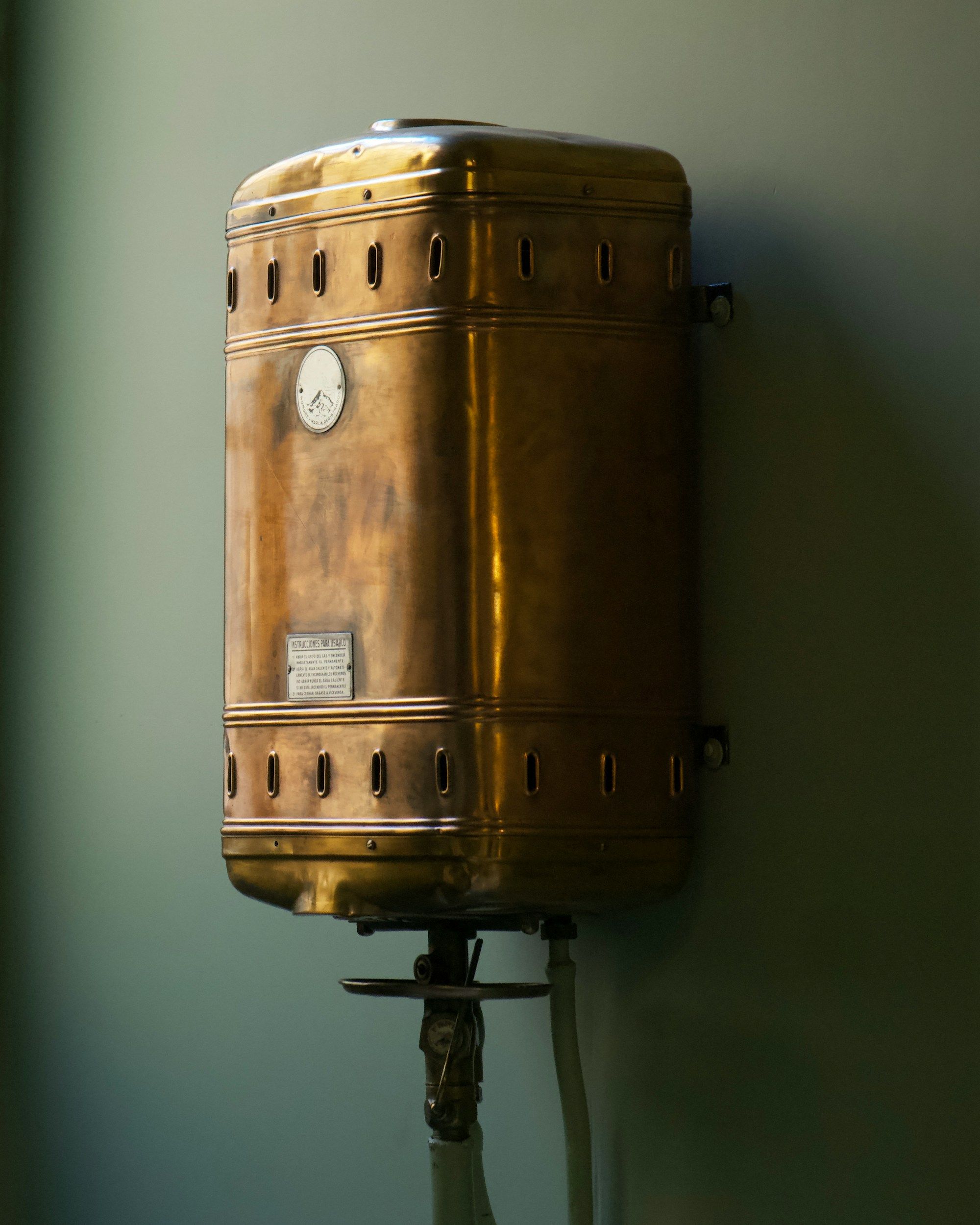
- Hot and cold both weak, which points to the pipes rather than the water heater
- Damp spots or green and white crust where pipes screw together under sinks
- Pinhole leaks that come back in a new place after each repair
- Taps that spit air and rust flakes after the water has been off
- A dull gray pipe with threaded joints coming out of the wall
How do I know if my Whittier home has galvanized pipes?
Short answer: hold a magnet against the pipe, because a magnet sticks to galvanized steel and won’t stick to copper, PEX or plastic.
The easiest places to check are where the main line enters the house and underneath the kitchen sink. Galvanized pipe is dull gray, and a light scratch with a key shows bright silver metal underneath. Copper looks like an old penny, while PEX is flexible plastic tubing that usually comes in red, blue or white. Check more than one spot, because many older Whittier houses were partly repiped decades ago and now carry a mix of materials.
What to do before the plumber arrives
A slow decline in pressure isn’t an emergency, but a few minutes of preparation will save time on the day.
- Find your main shutoff and make sure it still turns, and if it’s seized, mention that when you call.
- Note which fixtures are the weakest and whether the problem affects hot water, cold water or both.
- Clear the space under your sinks, around the water heater, and below the attic hatch or crawlspace door.
- If a pipe is actively leaking, shut off the main valve first and then call for help.
How a whole-house repipe is done
The plumber usually starts with a walkthrough and a pressure reading, then plans a route for the new lines through your house. In a slab house that route normally runs through the attic, with individual lines dropping down inside the walls to each fixture. In a house on a raised foundation, most of the work happens from the crawlspace, which generally means fewer openings in your walls.
The City of Whittier requires permits for most plumbing work, so the plumber should pull one for a repipe. Ask who schedules the inspection and whether the wall openings need to stay open until the inspector signs off.
The work itself happens in stages over several days. New lines are run to each fixture, then connected at the main and at the water heater, and the whole system is pressure-tested before the walls are closed. The openings are usually small and cut where each new line meets a fixture. Most single-family repipes take a few working days, depending on the size and layout of the house.
PEX or copper?
Both materials do the job well, so the choice mostly comes down to your budget, the access in your house and personal preference.
PEX bends around corners, so it needs fewer fittings and usually fewer wall openings, and it generally costs less to install. It can’t sit in direct sunlight, which means any exposed runs outside the house need a protective cover.
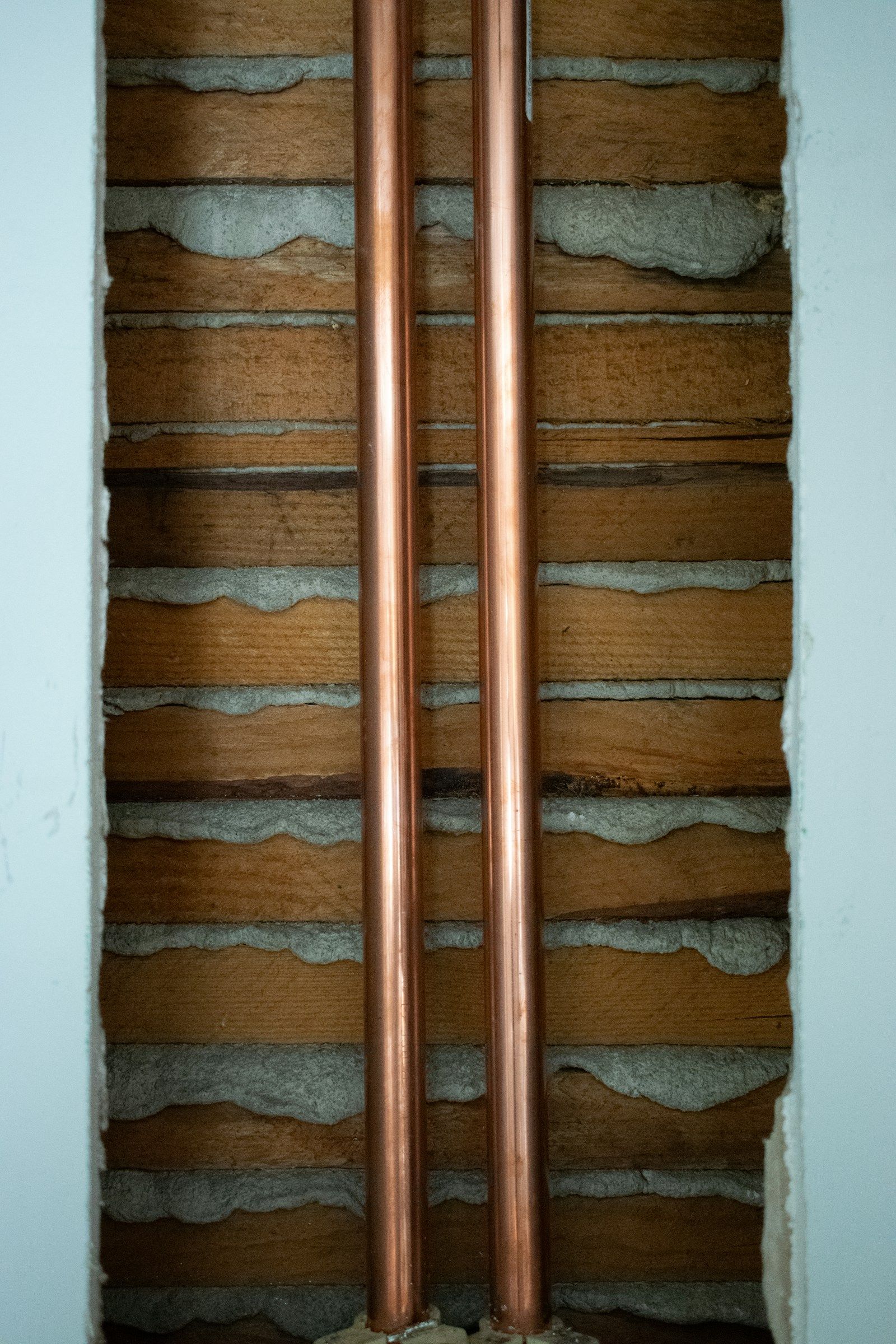
Copper has a longer track record, and many buyers like seeing it when a house goes on the market. It costs more in both materials and labor, and its rigid runs need more joints, each one soldered by hand.
If a plumber strongly recommends one material over the other, ask why it suits your house in particular. A good answer will mention your layout and your water, not just a general preference.
What a repipe costs in Whittier
These are the factors that usually move a repipe quote up or down:
- The number of bathrooms and fixtures, since each one needs its own supply run
- One story or two, and how easy the attic or crawlspace is to work in
- Your choice between PEX and copper
- Whether drywall patching and paint are included or left for you to arrange
- Permit and inspection fees charged by the city
- Adding the main line that runs from the meter to the house
If a quote comes in at double the typical range, it’s worth getting a second opinion. Ask for the total before any work starts, and make sure you get it in writing.
Why this job comes up so often here
The age of the housing explains most of it. Whittier, Pico Rivera and Norwalk all have large numbers of homes built before 1960, and galvanized steel was the standard supply pipe for much of that period. Those pipes have now been corroding from the inside for more than sixty years.
The type of foundation matters as well. Many of the post-war tracts built on concrete slabs had copper lines run through the slab, which brings its own pinhole leaks over time. When those homes are repiped, the new lines usually go overhead through the attic, and the old slab lines are capped and abandoned. That approach removes the slab leak risk at the same time as it fixes the pressure problem.
What you can do yourself, and what you can’t
This one is worth a DIY try first: if only one faucet is weak, unscrew the aerator at the tip and rinse out any rust flakes. If the pressure comes back, your pipes may have more life left in them than you thought.
Running new supply lines is a different matter, because it means cutting into the system at the main, sizing the lines correctly and passing a city inspection. That work belongs with a licensed C-36 plumbing contractor.
Keeping the new pipes in good shape
- Check your water pressure with a gauge on an outside hose bib, since the California Plumbing Code calls for a pressure regulator when street pressure is above 80 psi.
- Keep any exposed PEX tubing out of direct sunlight.
- Label the new shutoff valves so everyone in the house knows where they are in an emergency.
- Keep the permit and inspection sign-off with your house records, because buyers and home inspectors will ask to see them.